
You’re visiting a friend’s home when their dog suddenly attacks and bites you. The injury is serious, requiring medical treatment and possibly leaving permanent scars. Now you’re facing mounting medical bills and wondering who pays for damages when you were bitten at someone else’s house.
Many people don’t realize that homeowners’ insurance covers dog attacks in most situations. However, navigating these claims can be complicated, especially when the dog owner is someone you know personally. Understanding when and how insurance applies protects your right to compensation without destroying friendships.
This guide explains when homeowners’ insurance covers dog attacks and what steps you need to take after being bitten. You’ll learn about standard coverage, common exclusions, and Nevada’s specific laws regarding dog bite liability. By the end, you’ll know how to pursue compensation while understanding the insurance claim process.
How Homeowners Insurance Typically Handles Dog Bite Claims
Most standard homeowners’ insurance policies include liability coverage that extends to dog bite incidents. This coverage protects homeowners when their pets injure others on their property or in certain situations off-property. The liability portion of a policy typically ranges from $100,000 to $300,000, though some policies offer higher limits.
Policies generally cover dog bite injuries when the attack happens on the insured property or involves the homeowner’s dog elsewhere. Coverage applies regardless of whether the dog has bitten anyone before, in most cases.
Policy limits and exclusions significantly impact what compensation you can receive. Most policies exclude certain dog breeds considered high-risk, like pit bulls, Rottweilers, or Dobermans. Some insurers require homeowners to sign liability waivers for specific breeds. Additionally, coverage may not apply if the dog owner knew the animal was dangerous and failed to take precautions. Understanding these limitations helps you know whether pursuing an insurance claim makes sense for your situation.
When Homeowners Insurance Covers Dog Attacks
Understanding specific coverage scenarios helps you determine whether you can file a successful claim. Homeowners insurance covers dog attacks under certain conditions that vary based on location, circumstances, and policy terms. Knowing these situations protects your right to compensation.
Attacks on the Homeowner’s Property
Insurance typically covers dog bites that occur on the policyholder’s insured property. This includes the house, yard, driveway, and other areas within the property boundaries. Whether you’re a guest, delivery person, or service worker, you’re generally protected if attacked on the premises. The homeowner’s liability coverage applies because the incident happened at their insured location.
Coverage for Invited Guests and Visitors
When homeowners’ insurance covers dog attacks involving invited guests, it provides financial protection for both parties. If you were bitten at a friend’s house after being invited over, their policy should cover your injuries. This applies to social visits, parties, or any situation where you have permission to be there. Insurance companies cannot deny claims simply because you knew the homeowner personally. Your relationship with the dog owner doesn’t affect coverage eligibility when you were a legitimately invited guest.
Exceptions and Breed-Specific Exclusions
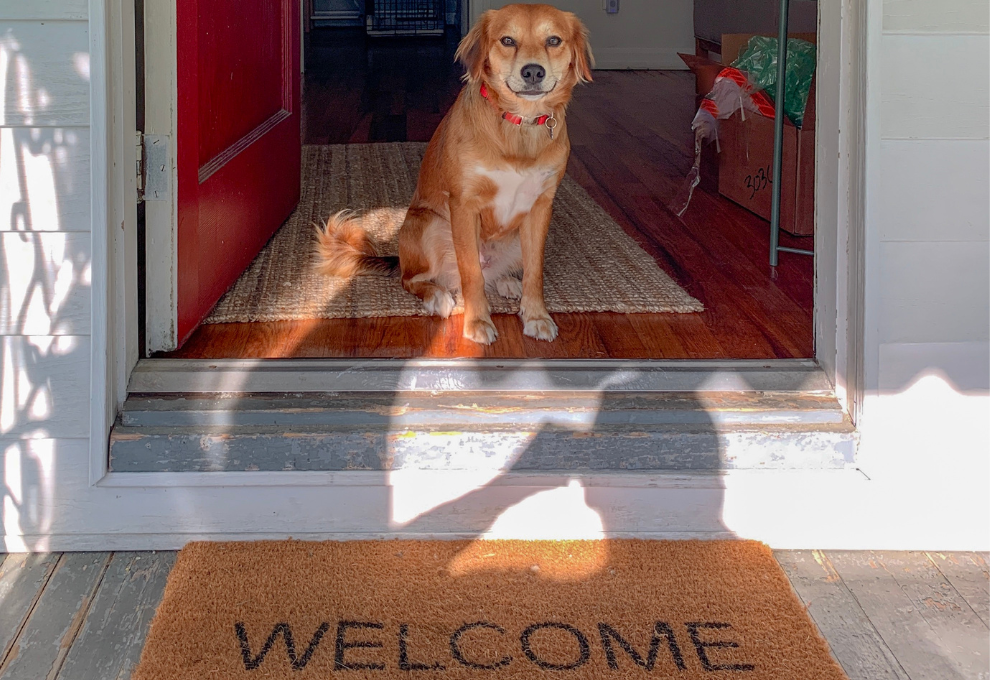
Many insurance policies exclude coverage for certain dog breeds or dangerous animals. If the homeowner’s policy specifically excludes their dog’s breed, you may not receive compensation through their insurance. Additionally, coverage may be denied if the owner knew the dog was vicious and failed to warn visitors or secure the animal properly.
Nevada Dog Bite Laws and Insurance Claims
Nevada operates under a strict liability statute for dog bite cases. This means dog owners are automatically responsible for injuries their dogs cause, regardless of the animal’s past behavior. You don’t need to prove the owner knew the dog was dangerous or had bitten someone before. The law holds owners liable simply because their dog attacked and injured you. This strict liability standard makes it easier to pursue compensation through homeowners’ insurance.
Owner responsibility extends to all dog-related injuries in Nevada, not just bites. If a dog knocks you down, scratches you, or causes you to fall and get hurt, the owner remains liable. This comprehensive responsibility applies whether the attack happened on their property or elsewhere. Nevada law recognizes that dog owners must control their animals at all times. Therefore, homeowners’ insurance covers dog attacks under this legal framework automatically in most situations.
State law significantly impacts how insurance companies handle dog bite claims in Nevada. Because owners face automatic liability, insurance adjusters cannot argue the dog wasn’t dangerous or hadn’t bitten before. This legal protection strengthens your injury claim and improves settlement outcomes.
Steps to Take After a Dog Attack at Someone’s Home
Taking the right actions immediately after a dog bite protects your health and legal rights. Following proper procedures ensures you can successfully claim compensation when homeowners’ insurance covers dog attacks. Seek medical treatment immediately after any dog bite, regardless of how minor it seems. Dog bites can cause serious infections, nerve damage, and scarring, even when wounds look small. Visit an emergency room or urgent care facility within hours of the attack.
Document the incident and injuries thoroughly while details remain fresh in your memory. Take photos of bite wounds, torn clothing, and the location where the attack happened. Get contact information from any witnesses who saw the incident. Write down exactly what occurred, including what provoked the attack, if anything.
Report the attack to local animal control authorities and file an insurance claim promptly. Animal control creates an official record of the incident and investigates whether the dog poses an ongoing danger. Contact the homeowner’s insurance company to start the claims process. Provide them with medical records, photos, and incident details. However, avoid giving recorded statements or signing documents without legal guidance. Insurance adjusters may try to minimize your claim or get you to accept inadequate settlements before understanding your case’s full value.
Get Legal Help for Your Dog Bite Claim
Navigating insurance claims after a dog attack can be challenging, especially when the dog owner is someone you know. Understanding when homeowners’ insurance covers dog attacks gives you confidence to pursue fair compensation. Don’t let insurance companies minimize your injuries or unfairly deny your claim.
Lach Injury Law has extensive experience handling dog bite cases and dealing with homeowners’ insurance companies. We protect your rights while helping you recover the compensation you deserve for medical bills, lost wages, and pain and suffering. Contact us today for a free consultation to discuss your dog bite injury and learn how we can help.