A seat belt injury is harm caused by the belt itself as it stops your body during a crash. Most are bruises or abrasions across the chest, shoulder, and lower abdomen, but the same force can fracture ribs or the sternum and damage organs, the bowel, or the spine. Seat belts save lives, and wearing one is always the right choice. Still, a visible belt mark after a collision is a sign to get checked by a doctor, not something to wait out.
If another driver caused the crash, the costs of treating a seat belt injury can be part of your claim, just like any other crash injury.
What Causes a Seat Belt Injury?
In a collision, your vehicle stops suddenly, but your body keeps moving forward. The belt absorbs that energy across a narrow strip of your body. The faster the impact, the more force concentrates on the shoulder strap and lap belt.
Injury risk tends to rise when:
- The lap belt sits over the soft abdomen instead of low across the hip bones
- The shoulder strap rests against the neck instead of mid-shoulder
- The crash is a high-speed frontal or rear-end impact
- The occupant is a child who has outgrown a car seat but is too small for an adult belt
Common Seat Belt Injuries
Doctors often describe a pattern called “seat belt syndrome,” which links a visible belt bruise to deeper injuries. Common seat belt injuries include:
- Seat belt sign. A bruise or abrasion in the shape of the belt across the chest or abdomen. Its presence tells ER staff to look for internal injuries.
- Chest injuries. Bruised or fractured ribs, a fractured sternum, or a fractured collarbone.
- Abdominal and internal injuries. Damage to the intestines, liver, spleen, or the tissue that supports the bowel. These can appear hours or days later.
- Spinal injuries. Lap belts can cause a type of flexion fracture in the lower spine.
- Shoulder and neck injuries. Strains, shoulder sprains, and whiplash-type soft tissue injuries.
For a broader look at crash-related harm, see the most common car accident injuries.
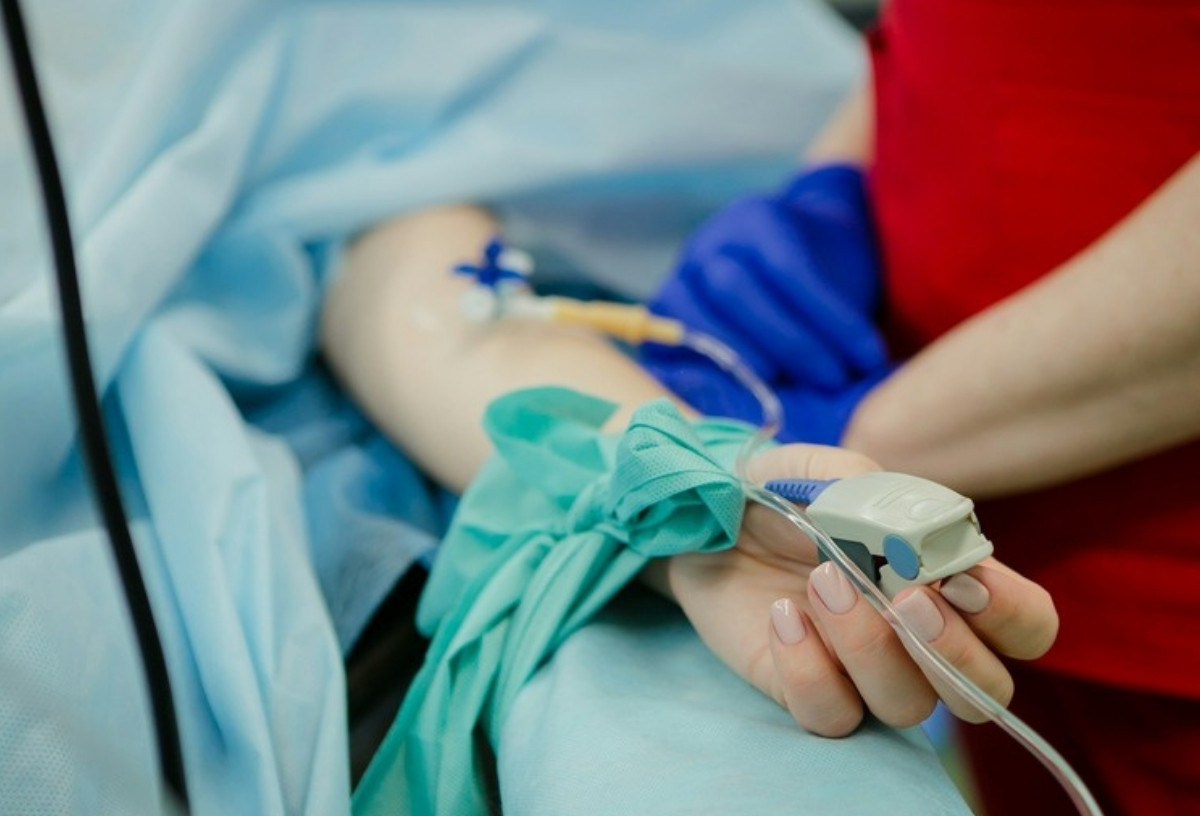
Warning Signs You Shouldn’t Ignore
Adrenaline can mask pain for hours after a crash. Seek medical care right away if you notice any of the following after a seat belt injury:
- Abdominal pain, swelling, or tenderness that gets worse
- Nausea, vomiting, or blood in urine or stool
- Pain when breathing deeply, or shortness of breath
- Back pain, numbness, or tingling in the legs
- Dizziness, fainting, or a racing heart
- A belt bruise that keeps spreading or darkening
Internal injuries can be serious even when you feel mostly fine at the scene. Getting examined quickly protects your health and creates an early medical record that connects the injury to the crash.
Does Not Wearing a Seat Belt Hurt Your Claim in Nevada?
Nevada requires drivers and passengers to buckle up under NRS 484D.495. Yet the same statute says a violation of the seat belt requirement may not be considered negligence or causation in a civil action. In practice, that generally means an insurer can’t use the fact that you were unbuckled to argue that you caused your own injuries.
That rule protects injured people, but the details still matter, especially when fault is disputed for other reasons. Our guide to Nevada seat belt laws every driver should know covers who must wear a belt and child restraint rules.
Can You File a Claim for a Seat Belt Injury?
Yes. If another driver’s negligence caused the crash, a seat belt injury is treated like any other crash injury. You may be able to recover:
- Emergency, imaging, surgery, and follow-up medical costs
- Lost wages and reduced earning ability
- Pain and suffering
- Future care for lasting injuries
A claim may also involve the vehicle or belt manufacturer if a belt failed, unlatched, or was defectively designed. Those cases fall under product liability rather than driver negligence. Lach Injury Law handles both through its vehicle accident and defective product practices.
Frequently Asked Questions
How long does a seat belt bruise take to heal?
Minor seat belt bruises often fade within one to three weeks. A bruise that gets larger, stays painful, or comes with abdominal or chest symptoms needs medical evaluation.
Should I go to the ER for a seat belt bruise?
If the bruise crosses your abdomen or you have pain, nausea, or trouble breathing, go to the ER. Doctors often order imaging when they see a seat belt sign because it can signal hidden injuries.
Can a seat belt injury show up days later?
Yes. Some internal and soft tissue injuries develop or become noticeable over several days. Keep track of new symptoms and report them to your doctor promptly.
How long do I have to file a claim in Nevada?
Most Nevada personal injury claims must be filed within two years of the injury. See how long you have to file a personal injury claim in Nevada for exceptions.
Talk to a Las Vegas Car Accident Attorney
A seat belt injury can be minor or the first sign of something serious. Get evaluated, follow your treatment plan, and keep your records together. If another driver caused the crash, you shouldn’t have to carry the cost.
Lach Injury Law represents people hurt in car accidents throughout Las Vegas and surrounding areas. Call 702-505-4758 or contact us online for a free consultation.
Talk to a Las Vegas car accident attorney about your case. The consultation is free.
Related articles
- Common Car Accident Injuries in Las Vegas
- Brain Injury Symptoms After an Accident
- Nevada Wrongful Death Claims: What You Need to Know